There are no universal student eligibility criteria. The institutional application explains that the state does not define for institutions how to determine which “students with greatest need” should be served; this is left to each institution, which must explain its approach in its proposal. Although award amounts to institutions are based on the share of students receiving Pell Grants, the guidance is explicit that funds are not restricted to Pell recipients.
This page is part of the 2026 report titled From Stopgap to Safety Net: Designing State Emergency Aid That Works. You can find the main body of the report here.
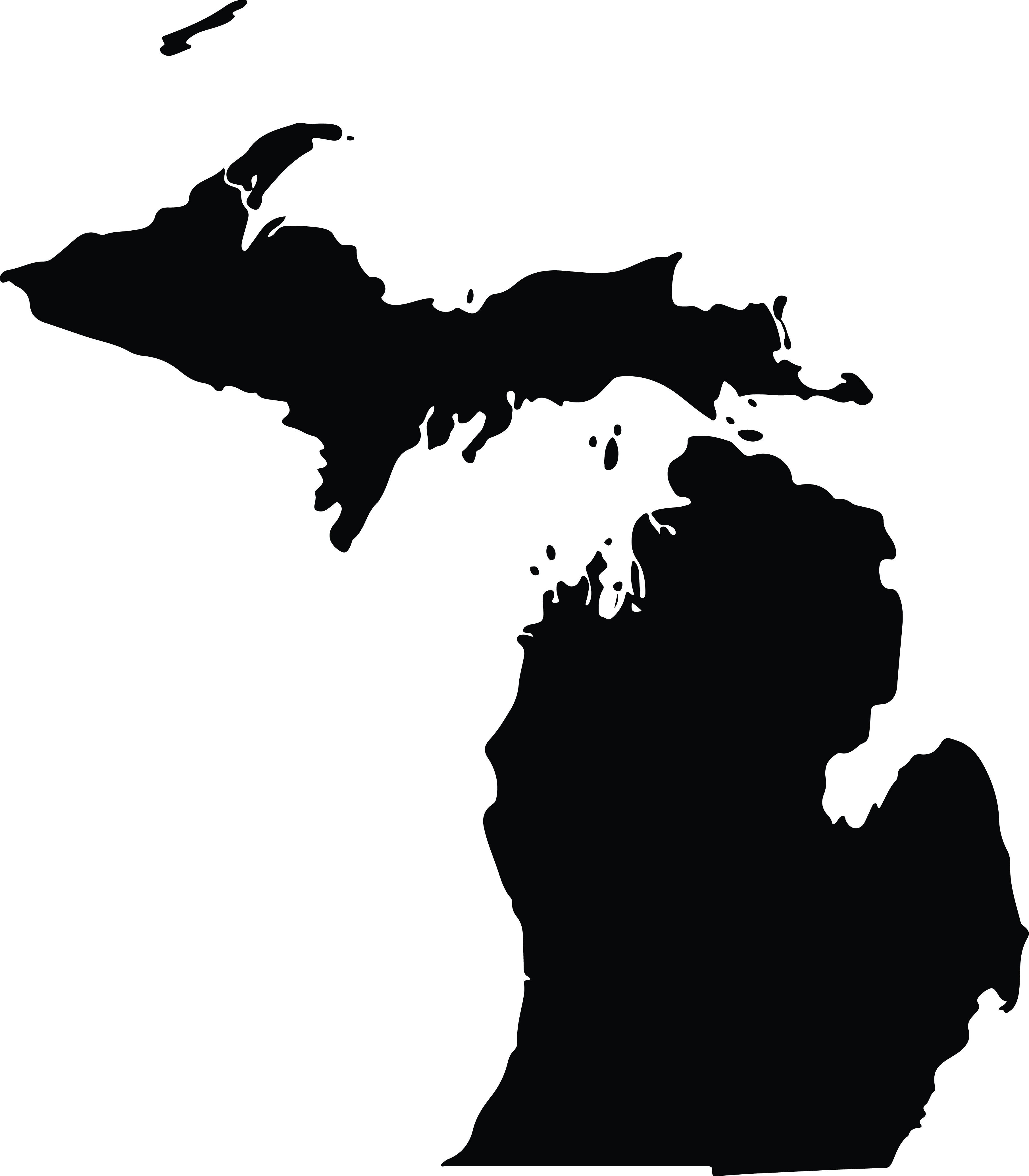
In 2019, Michigan Governor Gretchen Whitmer announced the Sixty by 30 goal, which aims for 60% of working-age Michiganders to earn a skill certificate or college degree by 2030. The Barrier Removal – Direct to Students (BRDS) Grant began in 2024 when Michigan launched a Student Success Grant initiative totaling more than $45 million, comprising six categories of competitive grants to advance the Sixty by 30 goal. BRDS provides emergency grants and other direct aid to students to eliminate financial and life barriers to completion.
Who administers the program?
The BRDS Grant Program is administered by the Michigan Department of Lifelong Education, Advancement, and Potential (MiLEAP). The Office of Sixty by 30 at MiLEAP offers the competitive grant opportunities, including BRDS, to Michigan’s public community colleges, Tribal colleges, and public universities.
How much funding does the BRDS program receive per year?
The BRDS category totals approximately $8.5 million, with about $6.5 million awarded in the 2024 cycle and roughly $2 million in the 2025 cycle. The 2025 Barrier Removal—Direct to Students round was open only to colleges and universities that had not received a 2024 BRDS award. Award amounts are formula-based: colleges with a Pell-eligibility rate below the median (2021–22 data) are eligible for up to $65 per Pell-eligible degree-seeking student, and those above the median for up to $90, each plus a 10% administrative allowance capped at $30,000. Any institution whose formula amount would fall below $15,000 may request up to $15,000 and receives streamlined reporting. Award amounts range from $15,000 to $696,450, and funds must be spent within two years of receipt. A full table of maximum awards by institution is published by MiLEAP.
How much aid can students receive, and what is the typical emergency aid award?
Individual student award amounts are set by each institution; MiLEAP does not impose per-student maximums, leaving disbursement design to colleges consistent with their approved proposals. As of early 2026, MiLEAP had awarded 60 competitive Student Success Grants across all six categories—including Barrier Removal—Direct to Students—to roughly 90% of Michigan’s public and Tribal colleges and universities, as part of the program’s more than $45 million in total funding. Because funds flow to institutions rather than directly to students, institution-level disbursement data are tracked locally and reported to MiLEAP; no statewide aggregate on individual student award amounts has been published as of this report.
What are the reasons that students can apply for and receive emergency grants?
BRDS funds can be used for a broad range of basic needs and emergency expenses that prevent students from completing their education, including physical and mental health copays, food pantry supplies, campus meals, books, parking and transportation, childcare, housing, food, textbooks, internet, other program supplies, and, should the student choose as part of a plan to persist and graduate, institutional debt cancellation. Institutions have discretion to define additional eligible categories consistent with the goal of removing life barriers to degree completion.
What is the application process like for students to receive emergency aid?
The state leaves it to each institution to determine how it targets and serves the students most likely to benefit; institutions apply for BRDS funds through MiLEAP’s EGrAMS grant portal. Whether students complete a formal application is an institutional decision, and there is no single statewide student application process.